
Regulatory Traffic Signs
Traffic control signs are used to regulate the vehicles in a specific order. These are primarily for the new drivers entering the area to inform them about the rules which when violated might attract stiff penalties and to make them aware all the time during their journey so that they don’t forget to follow it.
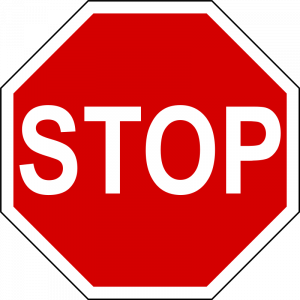
Stop
You must come to a complete stop at the stop line before entering the junction, even if the road looks clear.
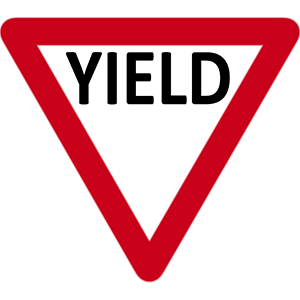
Yield
You must give way to traffic on the major road ahead and only proceed when it is safe.
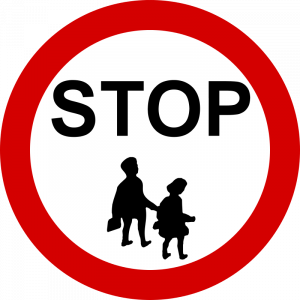
School wardens stop sign
A school warden is directing traffic to stop so that children can cross the road.
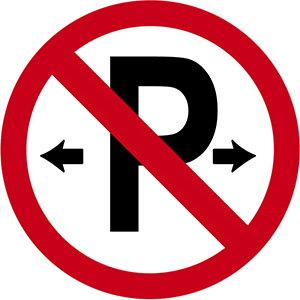
Parking prohibited
Parking is not allowed on this side of the road, usually during the times shown on a plate beneath the sign.
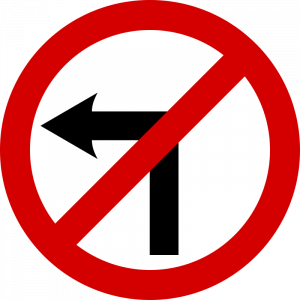
No left turn
You are not allowed to turn left at the junction ahead.
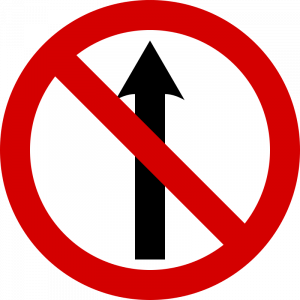
No entry or ‘No straight ahead’
You must not continue straight ahead into the road beyond this sign.
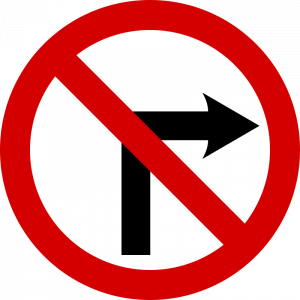
No right turn
You are not allowed to turn right at the junction ahead.
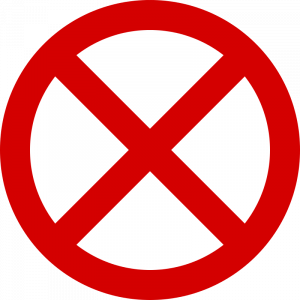
Clearway
Stopping and parking are prohibited on the road during the hours shown on the accompanying plate.
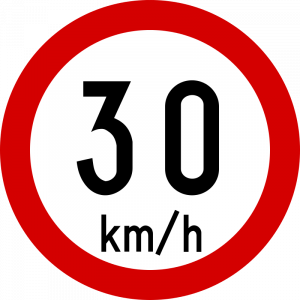
Max speed limit 30kmh
The maximum speed allowed from this point is 30 km/h, a limit often used in residential estates, school zones and busy town centres.
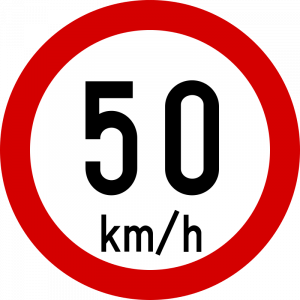
Max speed limit 50kmh
The maximum speed allowed from this point is 50 km/h, the usual limit in built-up areas such as towns and villages.
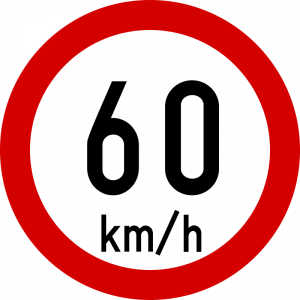
Max speed limit 60kmh
The maximum speed allowed from this point is 60 km/h, a limit commonly used on rural local roads and some urban approach roads.
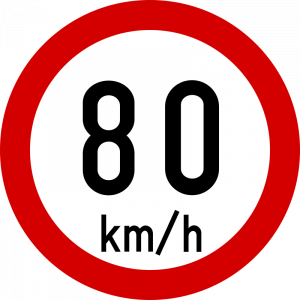
Max speed limit 80kmh
The maximum speed allowed from this point is 80 km/h, a limit typical of regional roads.
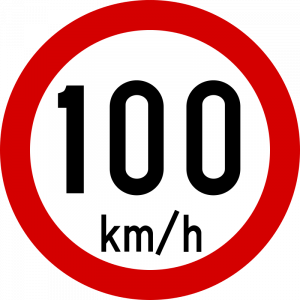
Max speed limit 100kmh
The maximum speed allowed from this point is 100 km/h, the usual limit on national roads.
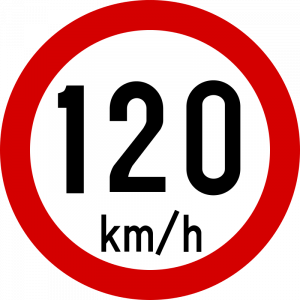
Max speed limit 120kmh
The maximum speed allowed is 120 km/h, the limit that applies on motorways.
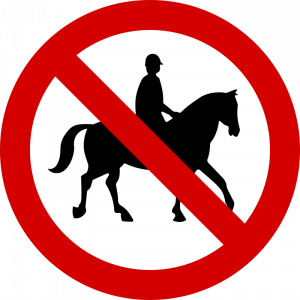
No ridden or accompanied horses
Horses being ridden or led are not permitted on this road.
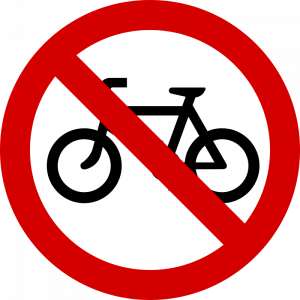
No bicycles
Cyclists are not permitted to use this road.
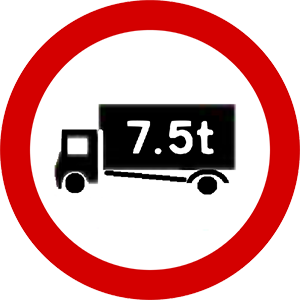
Maximum gross weight (traffic management)
Vehicles heavier than the gross weight shown (here 7.5 tonnes) are not permitted on this road.
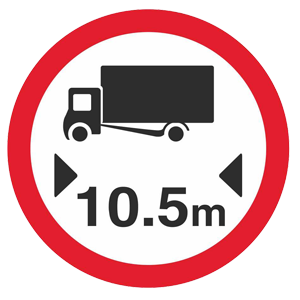
Maximum vehicle length
Vehicles (including any load or trailer) longer than the length shown, here 10.5 metres, may not enter.
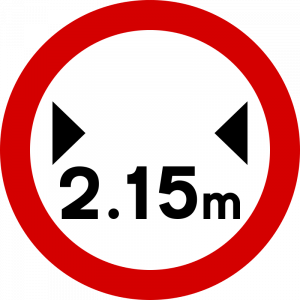
Maximum vehicle width
Vehicles wider than the width shown, here 2.15 metres, may not enter this road.
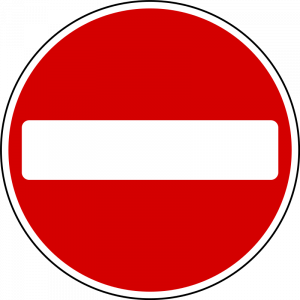
No entry to vehicles
No vehicles may enter the road beyond this sign; it is often used at the exit end of a one-way street.
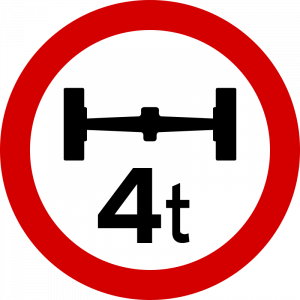
Maximum axle weight
This regulatory sign prohibits a vehicle if the load on any single axle is greater than the weight shown. On the illustrated 4t sign, no axle may carry more than four tonnes.
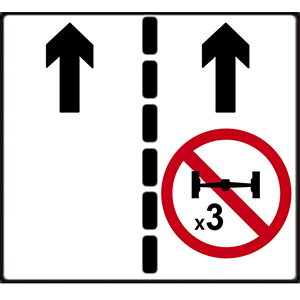
No overtaking for three-axle vehicles
Goods vehicles with three or more axles must not use the lane marked by the symbol, so they cannot overtake on this stretch.
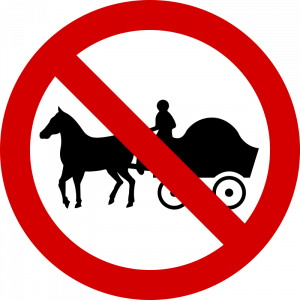
No horse carriages
Horse-drawn carriages and carts are not permitted on this road.
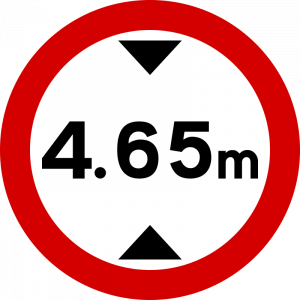
Height restriction
Vehicles taller than the height shown, here 4.65 metres, must not pass.
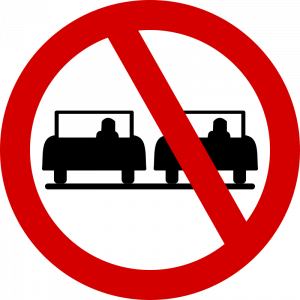
No overtaking
Overtaking is prohibited on this stretch of road.
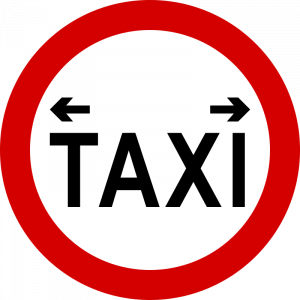
Taxi rank
This area is reserved for taxis waiting for passengers; other vehicles must not park or stand there.
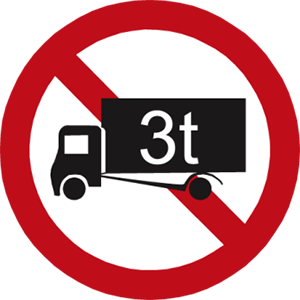
No entry for large vehicles (by reference to weight)
Goods vehicles above the weight shown, here 3 tonnes, may not enter this road.
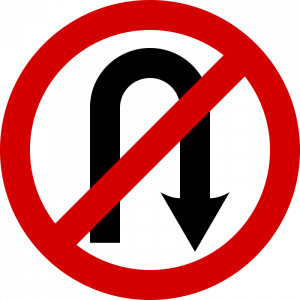
No U-turn
You must not make a U-turn on this road.
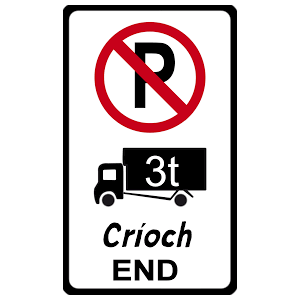
End of the restriction zone
This marks the end of a zone in which the parking of large vehicles was restricted.
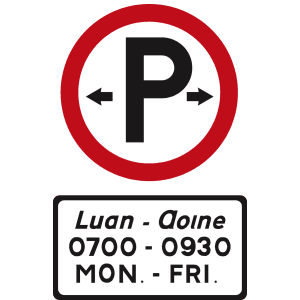
Parking permitted
Parking is permitted here during the times and days shown on the plate below the sign, subject to any conditions stated.
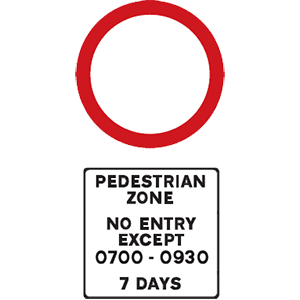
Pedestrianised street
The street is a pedestrian zone and vehicles may not enter except during the times shown on the plate.
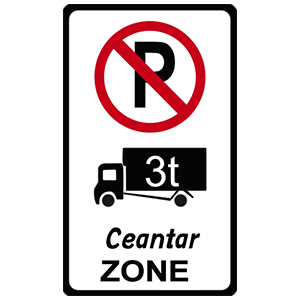
Zonal restriction – parking of large vehicles
Within this zone, large vehicles over the weight shown, here 3 tonnes, may not park.
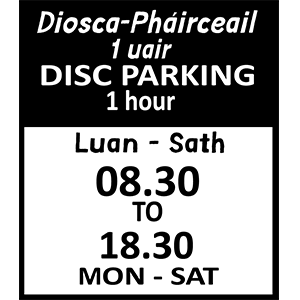
Disc parking plate
Parking is controlled by a disc parking scheme; you must display a valid parking disc for the period shown.